
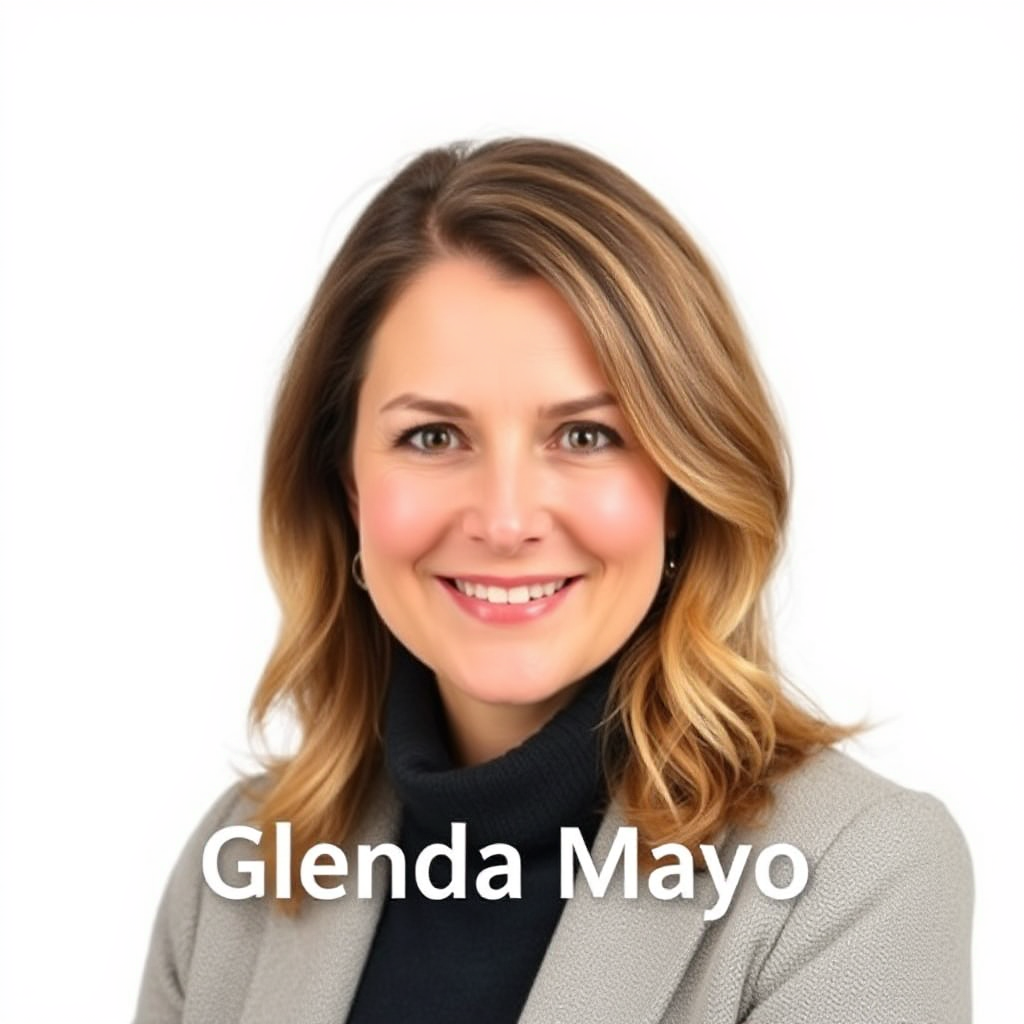

Former Google executive Matt Brittin has been confirmed as the BBC's new chief executive.
The previous head of the tech giant's EMEA division will replace Tim Davie, who revealed his resignation in November in the wake of a controversy over how a Panorama presented a speech by US President Donald Trump.
BBC chairman stated that the appointee, who departed from Google in the previous year after 18 years, "brings to the BBC deep knowledge of guiding a prestigious and sophisticated institution through a period of change".
The 57-year-old said he "is eager to start this task", labeling it "a moment of significant danger, yet also real possibility".
He noted that the UK must have "a thriving BBC that serves all in a complicated, volatile and quickly shifting landscape".
Detailing his priorities, he said: "It needs the pace and energy to be simultaneously covering events, and where audiences are. To build on the audience, reputation and creative excellence currently, confront difficulties with determination, and succeed as a publicly-funded broadcaster ready for the coming era."
'Radical Reform'
The chairman described the new appointee "an outstanding figurehead" with "the attributes needed to navigate the broadcaster through the many shifts occurring in the media landscape and in audience preferences".
The BBC chief also praised his "enthusiasm for the BBC, his comprehension of the challenges confronting the organisation, his dedication to its impartiality and his determination to uphold the BBC's standing as one of the nation's most important public institutions".
The new chief steps in at "a crucial juncture", as the UK government examines the BBC's governing charter, Shah stated.
"It is clear there is a necessity for sweeping transformation of the BBC, its financial structure and the framework in which it works. The consequences for the BBC, and the future of the PSB model, have never been greater."

The BBC's leadership role is regarded to be one of the most demanding in British broadcasting.
During Davie's period as leader as the BBC's leader, he was tasked with handling a series of issues and challenges at the broadcaster.
Brittin's priorities will include dealing with a multi-billion defamation lawsuit filed by the US president against the BBC.
The former president is objecting to the way Panorama spliced two parts of a speech he gave on a key date, for which the BBC has expressed regret.
The previous week the broadcaster urged a legal body to reject the case, arguing the Panorama programme never aired in the America.
BBC at a Turning Point
The incoming director general steps into the role at a crucial moment for the BBC in other ways, too.
He will continue talks with the ministers on the broadcaster's remit and the prospects of the TV licence and BBC funding.
The existing framework, which defines the objectives and aims of the BBC's existence, will come to an end in 2027.
Brittin's appointment also comes at a time when the BBC is vying with tech giants in the streaming arena.
The search engine's parent company owns YouTube, with which the BBC recently revealed a major agreement to create tailor-made programmes.
Corporate Background a Advantage?
Several people at Google "speak highly" about Brittin, describing him as an inspirational leader and a superb colleague".
A number of observers have raised doubts about the BBC's choice of someone with a background in the corporate world rather than editorial or conventional journalistic experience.
However, it is understood that "he was chosen by the BBC's governing body for his first-hand experience of big tech. There's an belief he will drive the acceleration to digital, for example in news. He'll also probably focus on revamping and improving BBC iPlayer."
Former senior BBC journalist Peter Barron, who was alongside Brittin at Google, commented he is "deeply inspired by a feeling of the public good".
"He admires the BBC for its reliable journalism and its creativity, but he's also very conscious of its past as a innovation pioneer.
"He aims the BBC to prosper in a environment where several of its biggest difficulties are connected to digital innovation, whether that's the dominance of the streamers, digital disinformation, or simply how people want to consume programmes.
"Considering his background and contacts throughout the tech industry, and also the connections he's forged with TV networks, the news industry, oversight bodies and politicians, I think he's extremely well positioned to address the tasks."
Who is Matt Brittin?

Hailing in Walton-on-Thames, Surrey, he earned a qualification from the Cambridge University, while also rowing for them in the university boat race three times.
He also competed for Great Britain and won|secured|earned


